Persea TechnologyEnergy & Infrastructure
Contact
What we do

Engineering that ends in a commissioned asset.

Four capability areas, one team. We take a mandate from survey and design through procurement, installation and commissioning — staffing the site with people from the corridor, trained to the drawings.

Solar generation

Off-grid household systems and facility-scale arrays. Load study, panel and inverter sizing, mounting design, installation and handover training for the people who will actually use it.

  • Household solar home systems
  • Facility and borehole arrays
  • Battery storage and balance-of-system

Public lighting

Solar street lighting for state corridors, community roads and public spaces — specified photometrically so the light lands on the road, not the sky.

  • Photometric layout and pole spacing
  • All-in-one and split solar luminaires
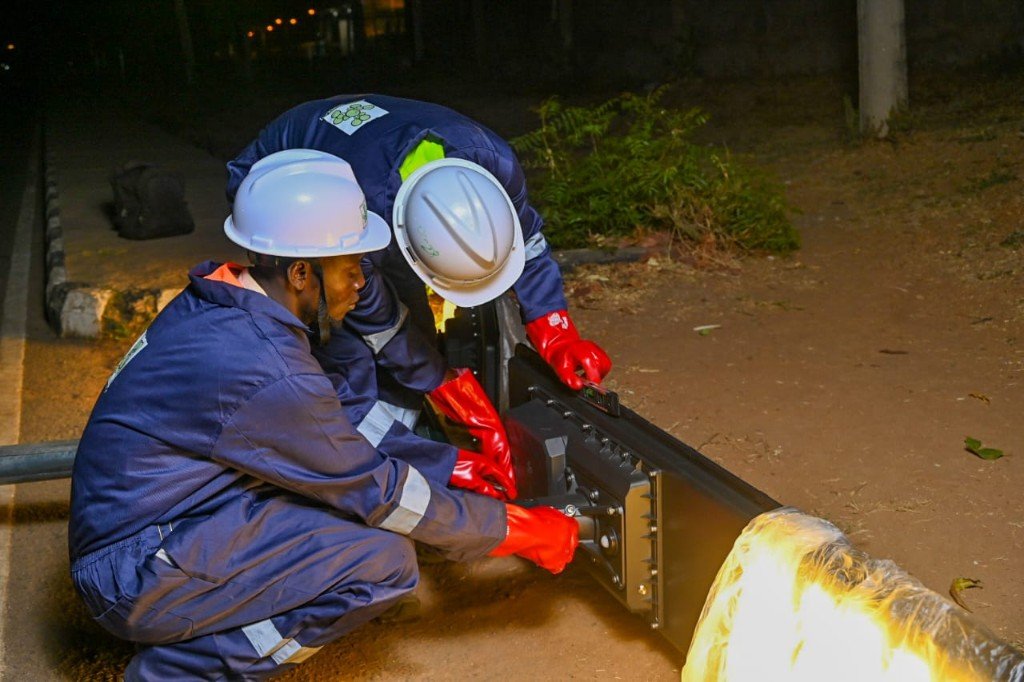
  • Local crew training and night commissioning

Road safety infrastructure

Reflectors, lane delineation and highway furniture supplied and installed to federal standard — the details that keep a driver in lane at night and in rain.

  • Road studs and reflective delineation
  • Bridge edge and expansion joint marking
  • Corridor surveys and installation crews

Cold chain & agri-logistics

Repurposed containers engineered into solar-powered cold storage, and food storage systems designed around how produce actually moves.

  • Insulated container conversion
  • Refrigeration and solar sizing
  • Storage and logistics system design
How we work

Five stages, one accountable team.

Stage 01

Survey

Site, load and corridor data gathered on the ground before anything is specified.

Stage 02

Design

Drawings and calculations produced in-house, dimensioned and buildable.

Stage 03

Procure

Equipment sourced against the spec, with substitutions justified in writing.

Stage 04

Install

Local crews, trained on the job — not imported support staff — with safety and progress on a fixed cadence.

Stage 05

Commission

Tested, measured and handed over — then maintained through the agreed window.

Community & outreach

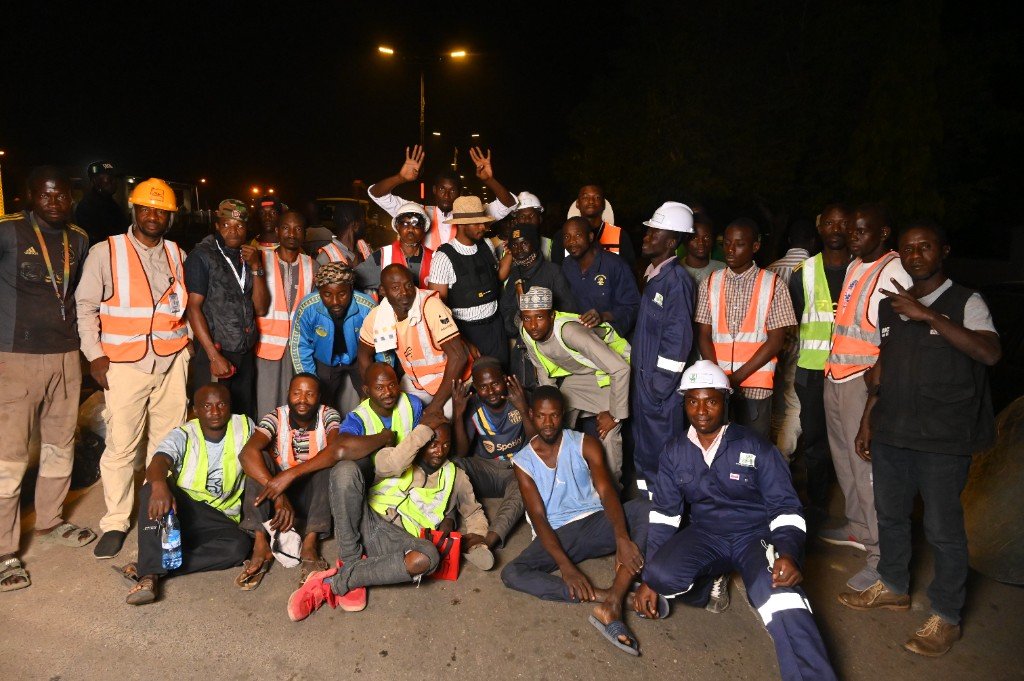
We do not import support staff.

We hire and train people from the corridor we are lighting. When the project finishes, the skill stays — a wage, a trade, and knowledge that outlasts the contract.

How we train →
The local night crew on a Street Lights corridor — hired and trained on site, not flown in
The crew — local staff on a Street Lights corridor.
01

Local crews

Support staff come from the community around the work. We do not fly in a temporary gang and send them home.

02

Training is the job

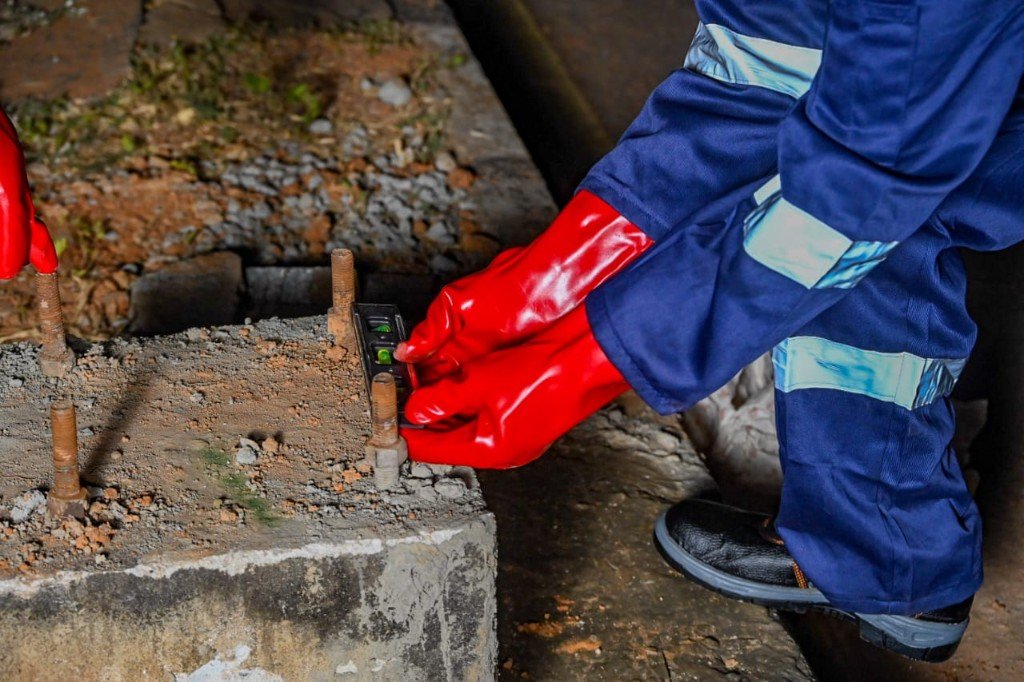
People learn on live poles, foundations and commissioning — then they work the project. The knowledge is not a pamphlet. It is the shift.

03

Employment where there is none

In places short of work, a Persea site is a wage and a reason to stay. The asset is the lights. The impact is the people who can build the next ones.

Technicians assembling a solar luminaire during on-the-job training
The trade
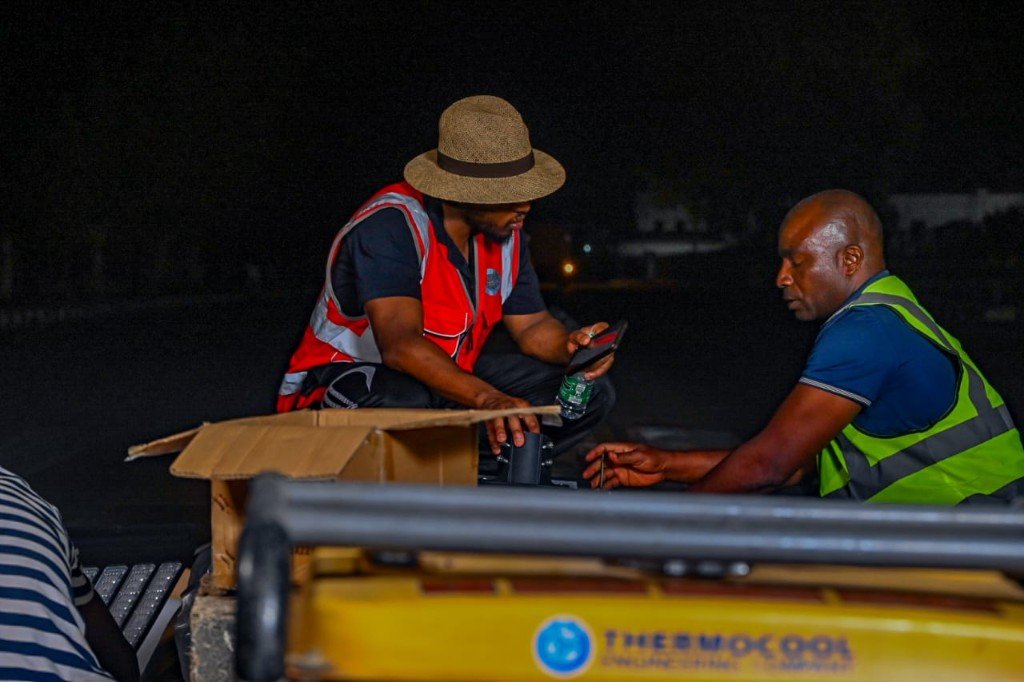
A supervisor briefing a local technician on a tablet beside the works vehicle
The brief
A trainee setting a foundation true with a spirit level
The standard